Linear PU timing belts, sold by the meter
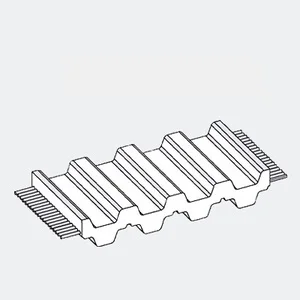
Our production facility (see also our company video) enables the extrusion of linear timing belts in a wide variety of designs. These timing belts consist of a combination of PU (polyurethane), steel or aramid strands, and PA fabric on the tooth and/or back side.
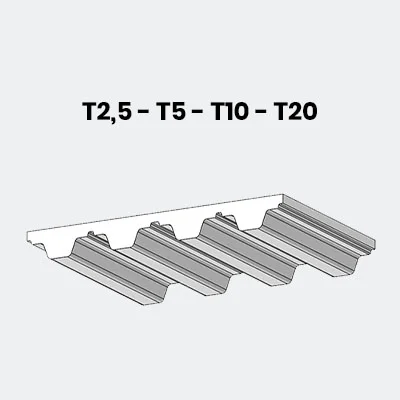
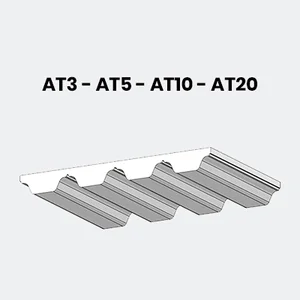
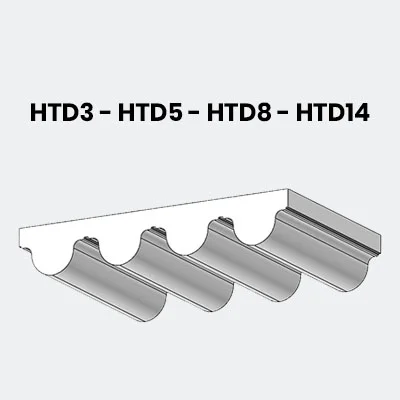
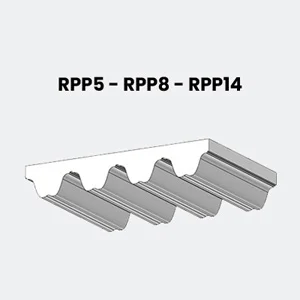
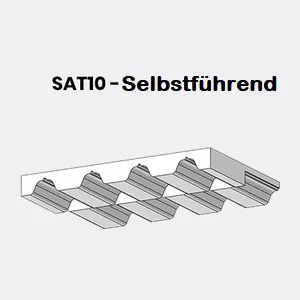
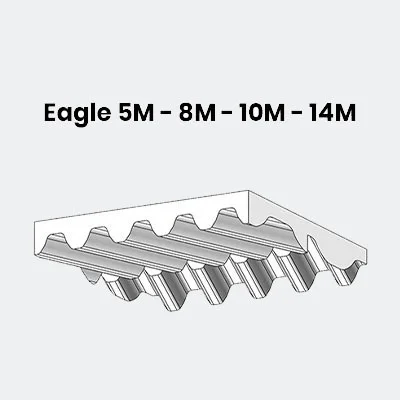
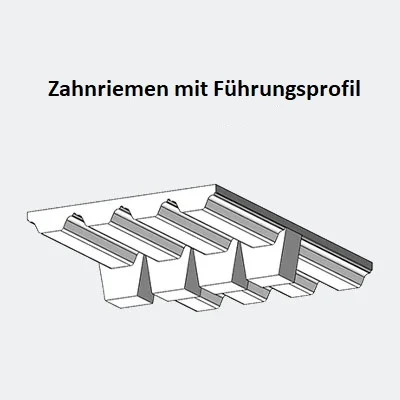
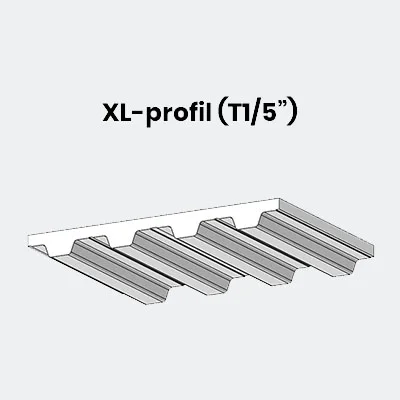
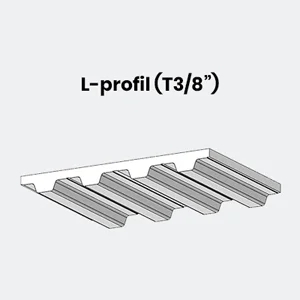
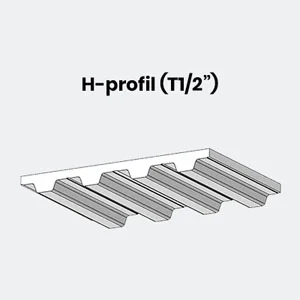
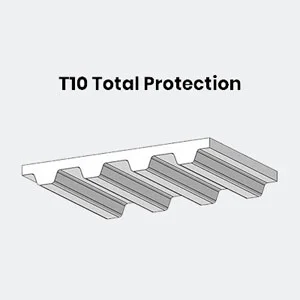
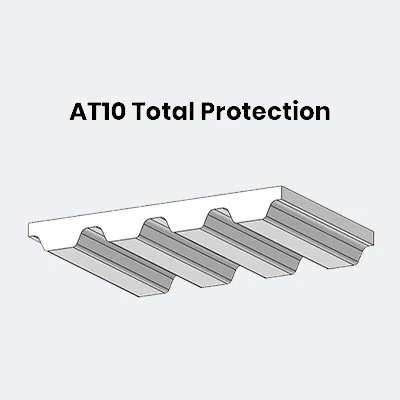
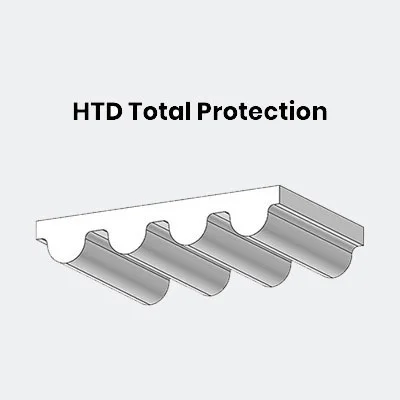
Our production encompasses a wide range of standard pitches for linear timing belts, including T5, T10, T20, AT5, AT10, AT20, HTD5M, HTD8M, HTD14M, H, L and numerous other variants. These can be supplied with or without timing belt barss, either in food-grade or antistatic versions.
The particular advantage of our linear timing belts lies in the fact that their length can be precisely adapted to individual customer requirements through our continuous welding process.
Contact form
If you have any questions or would like a quote, please fill out our contact form. You can also reach us by phone at +49 4153 576 9630 or by email at info@wantabelt.de.


Timing belts, sold by the meter - General information
Selection of tension members in PU timing belts
The tensile strength of a polyurethane timing belt is largely determined by the tensile members used. The choice of material for the tensile members depends on the specific requirements of the respective application.
steel tension beam
Steel tension members offer outstanding tensile strength for PU timing belts. Their thin, galvanized wires are stabilized by twisting, enabling high tensile strength. However, due to steel's susceptibility to corrosion, these tension members are not suitable for applications in humid environments or underwater.
Compared to Kevlar tension beams, steel tension beams with identical belt profiles have a higher tensile strength and stiffness, making them ideal for applications with high loads.
Kevlar tensile material (aramid)
Kevlar tensile beams, also known as aramid tensile beams, offer better impact resistance than steel. Their flexibility allows them to absorb short-term peak loads without breaking. However, due to their lower bending fatigue capacity, Kevlar tensile beams should not be bent more tightly than steel tensile beams. Furthermore, under water conditions, aramid can swell and generate a higher prestressing force.
Polyamide fabric
Polyamide fabric is used to minimize friction and noise. This coating can be applied to both the toothed and backing surfaces of the belt and is available in three different versions:
- PAZ (Polyamide fabric on the tooth side): Recommended for applications where the toothed side of the belt rests on a surface. Particularly advantageous for zero-gap timing belt pulleys, PAZ reduces both friction and noise.
- PAR (polyamide fabric on the strap back): Ideal when the strap back rests on a surface. As with PAZ, the fabric reduces friction and noise.
- PAZ/PAR (polyamide fabric on tooth side and belt back): This combination is suitable when both the tooth side and the belt back are in contact with the same surface. The double coating maximizes the reduction of friction and noise.
Cut-to-size goods
We offer custom-made PU timing belts, cut precisely to your specifications. Please note that custom-cut belts are excluded from the right of withdrawal, as they cannot be restocked due to their individual customization.